
Weak Airflow From Vents? Blower Motors, Resistors, and Blocked Cab Filters Explained
Weak vent airflow disrupts HVAC in heavy-duty trucks, impacting comfort, defrosting, and driver alertness. It usually results from insufficient air movement due to blower output, electrical supply and control, or airflow restrictions within the system.
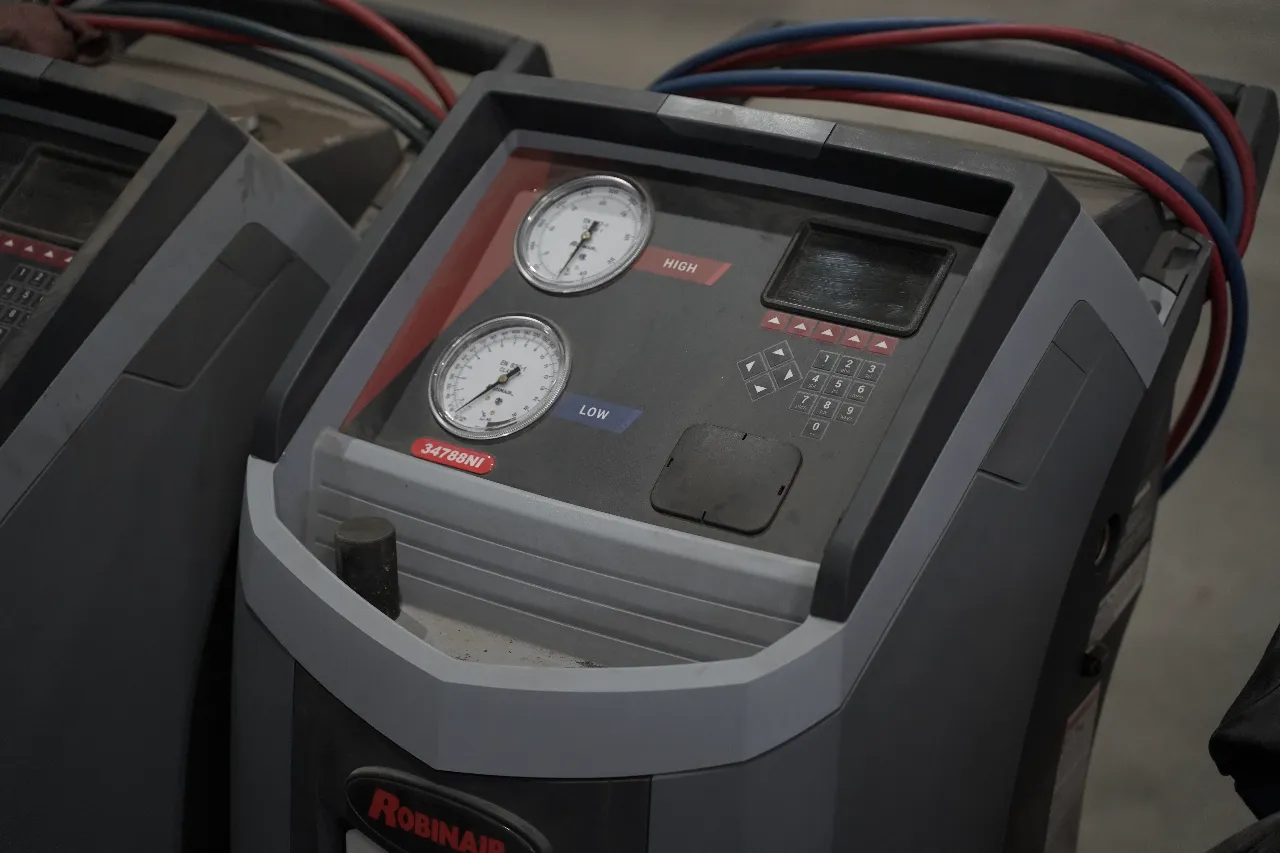
Weak vent airflow is a common and disruptive HVAC issue in heavy-duty trucks because it affects comfort, defrosting, and driver alertness. Often, the root cause isn't simply that “the A/C is weak,” but that “the HVAC system cannot move enough air through the ductwork.” Air volume relies on three key factors: (1) blower output, (2) electrical supply and speed control, and (3) airflow restrictions or misdirected air within the HVAC case and ducts.
How The Truck HVAC Airflow Path Works
A vehicle HVAC system is meant to heat, cool, filter, and distribute air within the cabin. Essentially, the system pulls air from outside (fresh-air mode) or from inside the cabin (recirculation mode), pushes it with the blower, passes it through heat exchangers, and then directs it to specific outlets such as panel vents, floor ducts, or defrost.
Key factors that affect airflow include:
- The blower motor supplies the mechanical force needed to move air.
- The cabin air filter (if equipped) traps particulates but can restrict airflow as it loads with dust.
- Air doors and actuators (mode and blend), which physically direct airflow to the requested vents, can unintentionally block or misroute airflow when they fail.
- Electrical power, grounding, and speed control (such as resistor packs or electronic modules) determine whether the blower can reach full speed under load.
When HVAC airflow is weak, the most efficient way to diagnose the issue is to check whether the blower is (a) producing insufficient airflow, (b) being commanded incorrectly, or (c) facing excessive resistance.
Defining “Weak Airflow” So The Diagnosis Stays Accurate
Before testing anything, clearly identify the symptom. Weak airflow from vents usually shows up in one of these patterns:
- Weak airflow from all vent outlets at all fan speeds.
- Weak airflow only at specific speeds (for example, only “high” works).
- Weak airflow from some vents, while other outlets (often defrost) feel normal.
- Intermittent airflow that changes with vibration, temperature, or electrical load.
These patterns are important because they reveal different underlying causes. Speed-related complaints typically involve the blower motor resistor or an electronic blower control module, while outlet-specific issues usually relate to mode doors or ducting problems.
The Most Common Restriction: A Loaded Or Clogged Cabin Air Filter
A cabin air filter is designed to protect occupants from dust, pollen, and other airborne pollutants. However, as the filter collects debris, airflow can decrease, and the HVAC system may require more blower effort to maintain the same cabin ventilation.
What A Clogged Cabin Filter Typically Causes
A dirty filter often causes decreased airflow at vents, stale odors, louder fan noise, and overall poorer HVAC performance.
Practical Checks
- If airflow improves significantly when switching from fresh-air intake to recirculation, it can indicate a restriction in the intake path or filter area, depending on the design.
- If the blower sounds loud but the airflow remains low, restriction is likely the main cause, as the blower is working against greater resistance.
Because El Paso conditions can include high dust levels, filter service intervals may need to be shorter than “typical” passenger-vehicle intervals to maintain consistent airflow through the vents. (The correct interval depends on duty cycle and environment.)
Blower Motor Performance Problems: When the Fan Cannot Produce Volume
The blower motor converts electrical energy into airflow. If it cannot reach the requested speed due to mechanical drag, internal wear, debris, imbalance, or partial electrical failure, airflow will be weak even if the filter and ducts are clear.
Common Indicators Of A Weak Or Failing Blower Motor
- Reduced airflow even at the maximum setting.
- Squealing, chirping, or grinding sounds (often related to the bearing).
- An operation that intermittently changes with vibration.
- Signs of overheating at the connector, such as discoloration, odor, or melted plastic.
Why Shops Measure Current Draw And Voltage Under Load
Professional HVAC diagnostics often include measuring blower motor current draw and verifying that the motor receives proper voltage at the connector while in operation. Excessive current can indicate mechanical drag and may contribute to overheating of the resistor and connector.
A practical diagnostic approach is to differentiate between mechanical blower failure and control-circuit failure by temporarily powering the motor directly with ground (using suitable fused jumpers and safe procedures). If the blower operates strongly under direct power, it is less likely that the motor is the issue, making the control side more likely to be the issue.
Blower Motor Resistor Or Control Module Failures: The “Only Works On High” Pattern
Many vehicles use either a resistor pack or an electronic module to control blower speed. Resistor-based systems usually achieve lower speeds by dropping voltage across resistors. In many designs, the “high” speed bypasses the resistor pack, which explains why a failed resistor can leave only the highest speed working.
Typical Symptoms
- The blower operates only at high speed; other speeds do not work.
- Some speeds are inconsistent.
- Heat damage at the resistor connector (a common issue in high-current circuits).
Why Connector Condition Matters
High current and heat can damage terminals, increase resistance, and lead to repeated failures if the connector is not repaired when necessary. Automotive trade literature warns that overheating blower resistors can harm connectors and cause recurring issues if the underlying causes are not addressed.
For variable-speed systems that use electronic control modules, diagnosis might require scan-tool commands or signal verification along with basic voltage checks because the module could be controlled by the HVAC control head and regulated electronically.
Electrical Supply Issues: Voltage Drop Can Reduce Airflow Without Stopping The Fan
Weak airflow can happen even when the blower “works” if the motor isn’t getting enough voltage under load. Voltage drop is a common problem in automotive electrical systems because poor connections, corrosion, or damaged wiring can drain energy and reduce current flow.
Why Voltage Drop Testing Is Favoured In Professional Diagnostics
Voltage drop testing measures the energy lost in a circuit due to resistance in connectors, wiring, splices, or grounds. This method can identify restrictions that may not be detected by simple resistance checks when the circuit is unloaded.
Trade guidance specific to blower circuits notes that voltage drop testing can assess circuit health and provides an example threshold used in practice for evaluating blower circuits.
Symptoms Suggesting Voltage Drop Or Poor Power/Ground
- Fan speed varies when other electrical loads are turned on.
- Intermittent operation associated with vibration or temperature.
- Warm or melted connectors at the blower, resistor/module, or fuse block.
Because the blower circuit carries relatively high current, maintaining clean grounds and secure terminals is essential for stable HVAC airflow.
Hidden Restrictions: Debris In The HVAC Housing Or On Heat-Exchange Faces
Even after replacing the cabin air filter, airflow can still be restricted if debris accumulates in the intake area, the blower wheel, or the HVAC case. Many HVAC units have the blower and evaporator/heater cores housed together; any upstream blockage can reduce airflow, and debris on internal surfaces can alter noise levels and performance.
A common technical reference on automotive A/C systems explains the HVAC refrigerant circuit and notes that the system relies on both the refrigerant and airflow/cooling circuits to manage cabin conditions. From a diagnostic perspective, this means airflow restrictions can reduce overall HVAC performance even when the refrigeration circuit is operating.
Practical Clues
- Rattling or scraping noises that vary with fan speed.
- Airflow that varies with cornering (debris shifting).
- Uneven airflow between vents without a clear speed-control pattern.
Mode Doors, Blend Doors, And Actuators: Airflow That Is Misdirected Or Partially Blocked
Air doors are designed to direct airflow to specific outlets and to blend heated and cooled air streams. Heavy-duty systems may use different actuator methods (vacuum or electric), but the main goal remains the same: to move doors that supply air to the panel, floor, and defrost outlets and to control temperature by mixing air paths.
Mode Door Actuator Concerns
The mode door actuator controls airflow distribution (panel, floor, or defrost). When it fails or the door binds, the system may seem to have weak airflow at the vents because air is being diverted elsewhere or partially blocked.
Blend Door Actuator Concerns
Blend doors control how much airflow passes over the heater core versus bypasses it (and, in some designs, how it interacts with the evaporator path). Faults can cause incorrect temperatures and may lead to airflow issues if the door position causes an unintended restriction.
Clicking Behind The Dash: What It Often Indicates
Clicking or repeated knocking sounds during mode changes or temperature adjustments are commonly linked to actuator gear slipping or an inability to reach the commanded position.
A Structured Diagnostic Approach For Fleet-Grade Consistency
For diesel HVAC repair, a structured diagnostic approach minimizes downtime and avoids recurring failures. A practical workflow is:
1) Confirm The Complaint And Operating Conditions
- Check airflow at each outlet (panel, floor, defrost) on all speed settings.
- Determine if the symptom is constant, intermittent, or depends on the operating mode.
2) Identify The Pattern
- Only high-level operation suggests a strong suspicion of a blower motor resistor or specific control-side faults.
- All speeds are weak → suspect restriction, weak blower, or voltage drop.
- Some vents are weak — suspect mode door or duct issues.
3) Check For Common Restrictions First
- Inspect or replace the cabin air filter where equipped; ensure proper installation and sealing.
4) Verify Electrical Health Under Load
- Perform voltage-drop testing on power and ground circuits during blower operation to detect energy losses across connections.
- Inspect the connectors and heat damage, especially around resistors/modules.
5) Isolate The Motor From Controls When Appropriate
- If safe and within shop procedures, test whether the blower can run strongly with direct power and ground. This helps identify a weak motor from control-side faults.
6) Validate Door Operation If Airflow Is Misdirected
- Confirm that mode changes properly redirect airflow as commanded; investigate actuators and door binding if they do not.
When Weak Airflow Becomes A Safety And Compliance Issue
Weak airflow isn’t just a comfort problem. Defrost performance relies on enough airflow to the windshield vents, and poor defrosting can be a safety hazard in humid or cold weather.
Furthermore, professional motor vehicle air conditioning system servicing in the United States is regulated by EPA MVAC servicing requirements, which apply when a shop must open or service the refrigerant portion of the system during broader HVAC work.
Conclusion
Weak vent airflow is usually caused by (1) airflow restriction, often due to a loaded cabin air filter or internal debris, (2) reduced blower output from a failing blower motor, or (3) loss of effective speed control or electrical supply, such as a failing blower motor resistor/module or voltage drop. A structured diagnostic process—pattern identification, restriction checks, electrical testing, and actuator verification—helps prevent repeat repairs and ensures reliable HVAC airflow.
If your truck has weak airflow from the vents, inconsistent fan speeds, or airflow directed to the wrong outlets, schedule a professional HVAC diagnostics appointment with Duran & Sons Diesel in El Paso, TX. A careful approach—such as airflow checks, voltage-drop testing, and component validation—helps identify the root cause rather than randomly replacing parts.
.webp)
.webp)

Contact Us
Get in touch with Duran & Sons Diesel today to schedule your truck or fleet in for professional repairs.
Hours: Monday to Friday, 8am - 5pm
Shop Address: 14300 Peyton Rd, El Paso, TX 79928